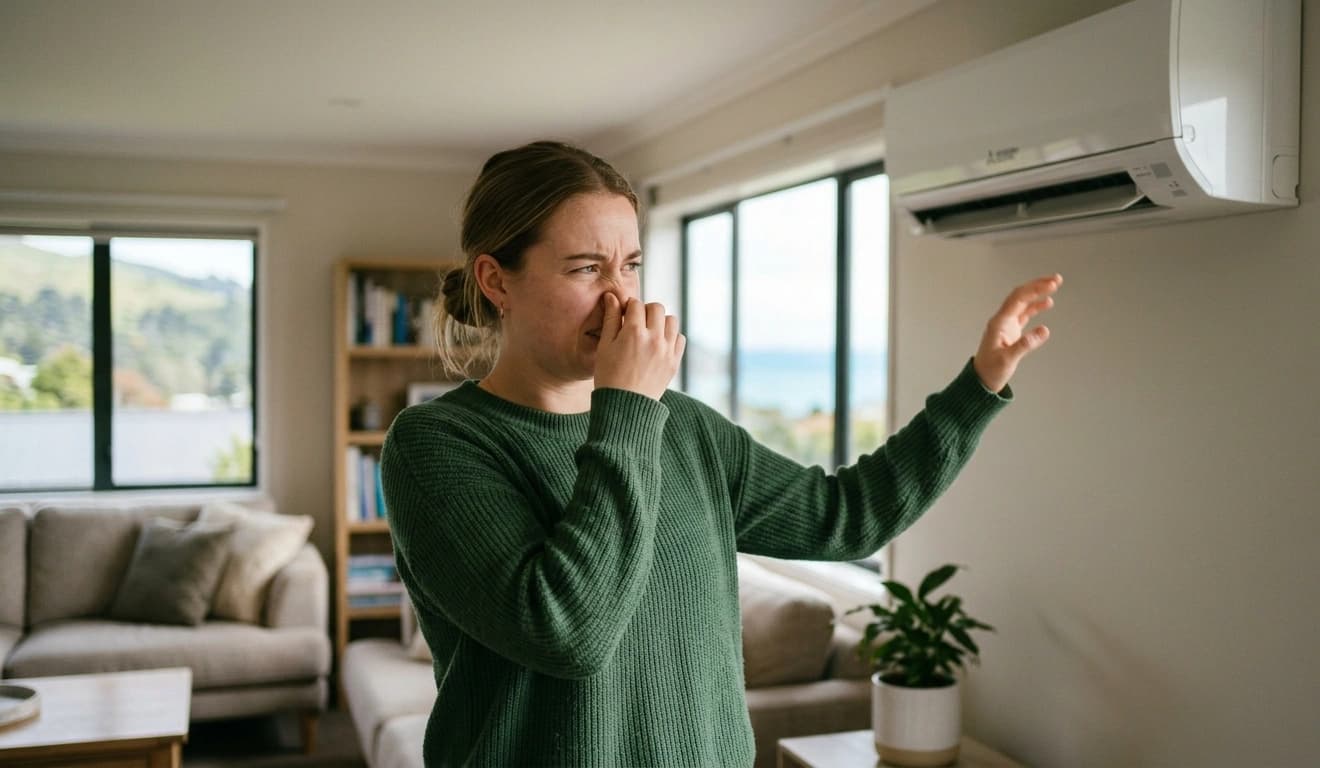
Professional deep cleaning should be done every 12 months to maintain optimal performance and indoor air quality. While you should clean your own filters every three months; knowing how often should you deep clean your heat pump ensures your unit remains energy efficient and reliable.
If your heat pump has been running longer, struggling harder, and costing more to operate than it used to, a neglected deep clean is very likely the culprit. Most Tasman homeowners are diligent about wiping down filters, but filter maintenance and a proper deep clean are two very different things, and confusing the two is one of the most common reasons heat pumps underperform in our region. Given the coastal air, seasonal pollen loads, and the long heating periods we experience across Nelson and Tasman, your system faces challenges that standard advice simply does not account for. In this guide, you will learn exactly how often your heat pump needs a professional deep clean, what factors specific to our region affect that schedule, and how staying on top of it protects both your comfort and your wallet.
TL;DR: The Quick Answer for Homeowners
Rinse your filters every 10-12 weeks for regular use, or every 4-6 weeks if your heat pump runs daily.
Book a professional deep clean once a year for most Nelson / Tasman households.
Every 6 months is recommended if you have pets, allergies, young children, elderly occupants, or live in a humid coastal area like Richmond, Motueka, or the Nelson Bays.
Act sooner if you notice a musty smell, reduced airflow, or visible dark residue around the vents. These are signs mould may already be growing inside the unit.
The rest of this guide explains exactly why these intervals matter, what a real deep clean involves, and how to know when your heat pump in Tasman or Nelson needs attention sooner than expected.
Filter Clean vs Deep Clean: What Is the Difference?
These two terms get used interchangeably online, but they describe very different levels of cleaning. Understanding the distinction is the starting point for knowing how often each one actually needs to happen.
A filter clean is the maintenance task homeowners do themselves. You remove the mesh filters, rinse them under warm water, let them dry, and clip them back in. It takes ten minutes and keeps surface-level dust from building up. It is worth doing regularly, but it only addresses what you can see and reach.
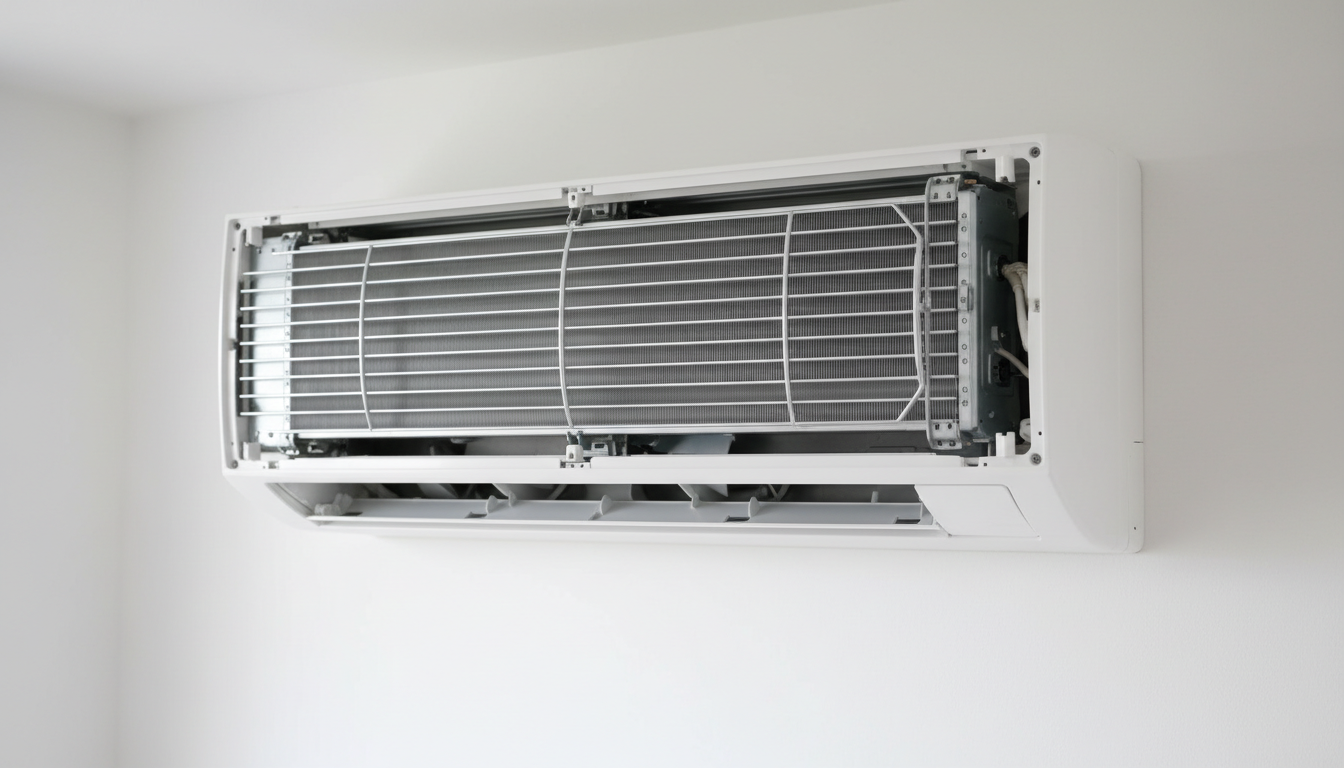
A professional deep clean goes much further. It involves dismantling the front panel and filter housing to access the evaporator coils, fan barrel, drain tray, and internal housing. These are the components where mould, biofilm, and compacted grime accumulate over time. They cannot be reached with a rinse or a household cloth.
Here is the important part: if you can see mould on the fins or filters, it is almost certainly growing deeper inside the unit too. Rinsing the filters in that situation does not solve the problem; it just removes the visible surface while the internal contamination continues circulating through your air.
That is why the frequency advice differs depending on which type of clean you are talking about. The next two sections cover each one separately.
How Often Should You Clean Heat Pump Filters in NZ
So now that you understand what a filter clean actually covers, here is how often it needs to happen.
For most NZ households running a heat pump through the cooler months, rinsing the filters every 6-8 weeks is a reasonable baseline. For homes where the unit runs daily through both summer and winter, bring that back to every 2-4 weeks. Blocked filters force the system to work harder, which shows up in your power bill before you notice any other problem.
In Tasman, local conditions push that frequency up for many households. Spring and summer in Richmond and Motueka bring high pollen loads, and coastal properties around Nelson Bays accumulate fine salt-laden dust that clings to filter mesh faster than you might expect. Rural properties in Golden Bay or the Moutere Hills face a different challenge: dry summer dust from gravel roads and paddocks gets pulled into the unit with every cycle.
The practical approach is to check your filters once a month, hold them up to the light, and rinse them when airflow looks restricted. It takes ten minutes and keeps the unit breathing properly between professional deep cleans.
How Often Should You Get a Professional Deep Clean
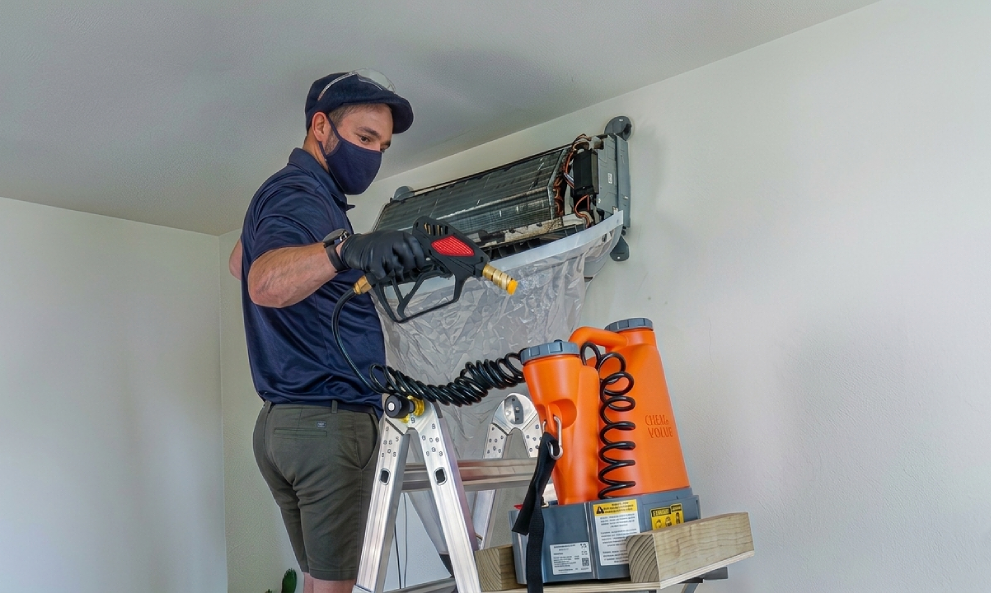
With filter maintenance covered, the bigger question for most Nelson / Tasman homeowners is how often should you deep clean your heat pump at a professional level. The honest answer depends on how you use it and who is living in your home.
Here is a practical tiered guide:
Once a year for most Nelson / Tasman households running their heat pump seasonally through winter. This aligns with general industry guidance and keeps internal components clear of the grime that builds up over a full heating season.
Every 6 months for homes with pets, allergy sufferers, young children, or elderly occupants. These households are both generating more airborne contaminants and are more vulnerable to the effects of mould and allergen circulation.
Every 3-6 months for units running year-round in high-use settings, including small businesses, rentals with continuous occupancy, or homes where the heat pump is the primary climate control in every season.
Some manufacturers suggest deep servicing every 1-2 years is sufficient. For a lightly used unit in a dry climate, that may hold. But Tasman and Nelson's humid summers create ideal conditions for mould to establish inside heat pump coils and drain trays well before the two-year mark. A unit that runs through a Richmond summer and then straight into winter heating cycles has had months of warm, damp internal conditions that accelerate biofilm growth.
This is also where EcoPure HP Tasman's approach makes more frequent cleaning a practical option for families. Because every clean uses 100% natural, plant-based, non-toxic products, there are no harsh chemical residues left inside the unit. Families with children, pets, or respiratory sensitivities can schedule cleans at whatever interval their home genuinely needs, without trading one health concern for another.
Factors That Affect How Often Your Heat Pump Needs a Deep Clean
The tiered frequency guide above gives a solid starting point, but a few household-specific factors will push your schedule earlier or later. These are the variables that actually determine how often you need a professional deep clean.
Usage intensity. A heat pump running year-round through Tasman's cold winters and warm summers accumulates internal grime far faster than one used only for a few months. Year-round users should treat the annual mark as a ceiling, not a target.
Pets in the home. Dog and cat hair is light enough to pass straight through mesh filters and settle on evaporator coils and fan blades. Homes with shedding animals will see internal build-up accelerate noticeably between cleans.
Asthma, allergies, or respiratory conditions. For anyone in the household managing a respiratory condition, mould spores and allergen-laden dust circulating from a dirty unit are a genuine health risk. More frequent deep cleans reduce that exposure directly.
Age of the unit. Older heat pumps accumulate biofilm and grime faster because internal surfaces degrade slightly over time, giving contaminants more to grip onto. If your unit is five or more years old, annual is the minimum.
Local environment. Coastal properties around the Nelson Bays and Tasman Bay deal with fine salt humidity that accelerates mould growth inside units. Rural homes in Golden Bay or the Moutere Hills contend with dry dust and pollen loads that clog internal components quickly during spring and summer.
Visible mould or musty smells. These are not reasons to extend your schedule; they are reasons to book immediately. If your unit is producing odours when it runs, mould is already established inside the unit and circulating through your home with every cycle.

Warning Signs Your Heat Pump Needs a Deep Clean Right Now
Those factors tell you when to plan ahead. These signs tell you the window for planning has already closed.
Musty or stale smell when the unit runs. This is the clearest indicator that mould or biofilm is already established inside the unit, not just on the filters. Every cycle is pushing those spores through your living space. If you're dealing with this, the odour post covers what's likely causing it, but the short answer is: book a deep clean before the next time you run it.
Reduced airflow or slower heating and cooling. If the unit is running but the room takes noticeably longer to reach temperature, compacted grime on the coils and fan is forcing the system to work harder for less output.
Visible dust or dark residue around the vents. Dark streaking around the return air vent or outlet is a surface signal of what is building up deeper inside.
Sneezing or worsening allergy symptoms when the unit is on. If symptoms ease when the unit is off, the heat pump is almost certainly circulating allergens or mould spores.
Higher power bills without changed usage habits. A struggling system draws more electricity to compensate for restricted airflow.
In Tasman's damp winters, mould can establish inside a unit within a single heating season, faster than most homeowners expect. A quick visual check of your vents and filters once a month costs nothing and catches problems before they escalate.
What a Professional Heat Pump Deep Clean Actually Involves
Knowing when to book is one thing; knowing what you are actually paying for is another. A lot of heat pump cleaning services in NZ amount to a filter rinse, a spray of chemical foam on the coils, and a wipe-down of the outer casing. That is not a deep clean.
Our process starts with full disassembly: the front panel and filter housing come off completely, giving proper access to the components that determine whether your air is clean or contaminated. From there, the evaporator coils are cleaned to remove the biofilm and mould that builds up in Tasman's humid summers. The fan barrel and individual blades are cleaned thoroughly because this is where mould colonies establish themselves out of sight. Return air vents are also addressed so that what enters the system is not carrying contaminants straight back onto clean components.
Throughout the entire process, we uses 100% natural, plant-based, non-toxic products. This matters more than it might sound. Chemical-based foams leave residues on internal surfaces that then get circulated through your home every time the unit runs. For households with children, pets, or anyone managing asthma or allergies, that is a real concern, particularly in Tasman and Nelson where families rely heavily on their heat pump through months of cold, indoor-heavy winters.
You can see the full breakdown of how it works on our deep cleaning process page.
Does Deep Cleaning Your Heat Pump More Often Save You Money?
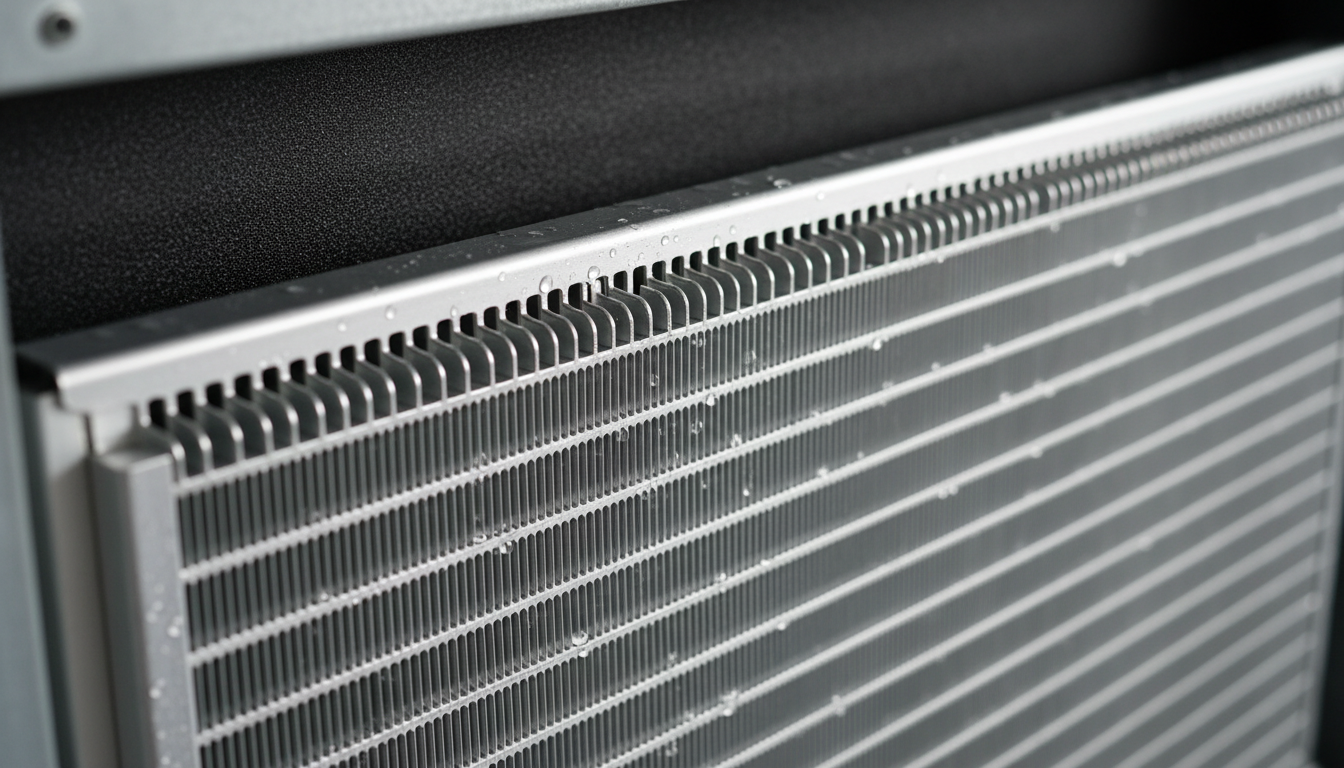
The process EcoPure follows addresses the components that directly affect how hard your system has to work. That connection between cleanliness and running costs is worth understanding clearly.
A heat pump with compacted grime on its coils and fan cannot move air efficiently. The compressor compensates by working harder, drawing more electricity to achieve the same output. That extra load shows up quietly in your power bill each month, and most homeowners attribute it to usage habits rather than a system that needs attention. Over a full heating season in Tasman, the cumulative cost of running a dirty unit adds up in ways a single deep clean would have prevented.
Beyond power bills, there is the equipment itself. Most NZ heat pumps cost between $2,000 and $5,000 to replace, and that figure does not include installation. Regular deep cleans reduce the mechanical stress that shortens a unit's lifespan and lowers the chance of component failures that turn into expensive repair callouts. An annual or twice-yearly clean is a fraction of that replacement cost.
For Tasman families, there is a third consideration that rarely gets discussed in financial terms: the health cost of circulating mould and allergens through your home every winter. Medical appointments, medications, and lost productivity from respiratory illness are real expenses. A professional deep clean using non-toxic, plant-based products, like those used in every EcoPure service, addresses that risk without introducing chemical residues of its own.
You can see current pricing and book a heat pump deep clean online if you want a straightforward look at what that investment actually costs.
Book a Deep Clean for Your Tasman or Nelson Heat Pump Today
If this guide has helped you work out where your heat pump sits on the cleaning schedule, the next step is straightforward. EcoPure Heat Pump Tasman provides professional deep cleaning across Tasman and Nelson using only natural, plant-based, non-toxic products. No chemical residues. No harsh foams. Just a genuinely clean unit that is safer for your household to breathe around.
Check the areas we service in Tasman and Nelson areas we cover to confirm your location, then book a heat pump deep clean online at a time that suits you. Local, transparent, and built around the health of your home.
Maintaining a clean heat pump is essential for local air quality and system efficiency throughout the year. While basic maintenance is simple to manage at home, a deep clean ensures your unit operates at its absolute best. If you would like expert assistance to keep your Tasman home comfortable, we are here to help. You can learn more about how we handle every service by reviewing our process, ensuring your system receives the care it needs to last for years to come.